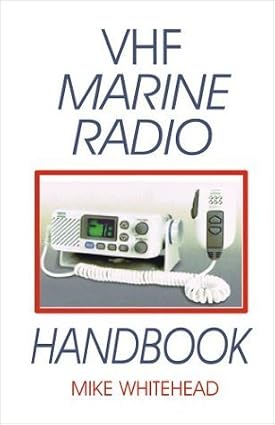
Learn how to use a VHF marine radio the right way — channels, etiquette, and emergency calls — from USCG-licensed Captain Mike Whitehead, author of the VHF Marine Radio Handbook.
If there's one piece of equipment on your boat that matters more than people realize, it's the VHF marine radio. Not your phone. Not a flare gun. Your VHF. I've spent over three decades on the water and on the air talking about exactly this, and I wrote the book on it — literally, the VHF Marine Radio Handbook. So, let's cover what every boater actually needs to know. What VHF Means and Why It Matters VHF stands for Very High Frequency, and it's the standard for marine communication because it's reliable, doesn't depend on cell towers, and other boats and the Coast Guard can hear you on it. A cell phone can fail you the moment you're out of signal range. A VHF radio, properly used, almost never will. The Channels Every Boater Should Know • Channel 16 — International Distress, Safety, and Calling. This is monitored by the Coast Guard and other vessels. Use it only to make contact or in an emergency, then switch to a working channel. • Channel 9 — Commonly used as an alternate calling channel in recreational boating areas. • Channel 13 — Bridge-to-bridge navigation, used to communicate with commercial vessels and bridge operators. Basic VHF Radio Etiquette
-
Monitor Channel 16 whenever you're underway.
-
Keep transmissions short and clear — say what you need, then release the button.
-
Never use profanity or joke around on the radio. It's a shared safety tool, and Coast Guard and other boaters are listening.
-
If you hear a Mayday call, stay off the channel unless you can assist, and keep listening in case you're needed. How to Make an Emergency Call (Mayday) If you are in immediate danger to life or vessel:
-
Switch to Channel 16.
-
Say "Mayday, Mayday, Mayday."
-
State your vessel name, your location (GPS coordinates if you have them), the nature of your emergency, and the number of people aboard.
-
Repeat as needed until you get a response. For urgent situations that are serious but not life-threatening, use "Pan-Pan" instead of "Mayday" — it signals urgency without triggering a full emergency response. A Captain's Final Word A VHF radio is only as good as the person using it. Know your channels, keep your battery charged, do a radio check before you leave the dock, and treat it with the same respect you'd give any other safety equipment on board. It's saved lives — including, more than once, mine. Want more boating safety guidance? Explore more from Captain Mike →
-
The Newport Beach Christmas Boat Parade: History, Best Viewing Spots, and Why It's One of the Nation's Top Holiday Events Meta description: A local captain's guide to the Newport Beach Christmas Boat Parade — its history, why it's ranked among the top holiday events in the country, and the best spots to watch it. Every December, Newport Harbor transforms into one of the most dazzling holiday spectacles in the country — and for years, I've had the honor of being the official voice announcing it. Here's what makes the Newport Beach Christmas Boat Parade special, and how to make the most of watching it in person. A Century of Tradition The Newport Beach Christmas Boat Parade has been a holiday tradition for over a hundred years, with boat owners decking out their vessels in elaborate lights and holiday themes and parading them through the harbor for crowds gathered along the shore. It's consistently ranked among the top holiday events in the nation — right up there with Rockefeller Center's tree lighting — drawing over a million viewers annually between in-person attendance and broadcast coverage. What Makes It Different from Other Holiday Parades Unlike a street parade, the Newport Beach Christmas Boat Parade moves across the water, past waterfront homes that compete with their own lighting displays, past yacht clubs, and past thousands of spectators on docks, boats, and restaurant patios. The scale and creativity of the decorated vessels — some running well over 100 feet — make it a genuinely unique holiday experience. Best Spots to Watch the Parade • Balboa Island — Close-up harbor views with a walkable perimeter, ideal if you want to move along with the parade route. • Lido Isle — A quieter vantage point with great sightlines and smaller crowds. • Harbor-front restaurants — Many offer dinner reservations timed around the parade route for a warm, front-row seat. • By boat — If you have access to a vessel, watching from the water is the most immersive way to experience it (just mind the wake and stay clear of the parade route itself). Tips for First-Time Viewers
-
Arrive at least 45–60 minutes early — prime viewing spots fill up fast.
-
Dress warmly; harbor-side evenings in December get cold even in Southern California.
-
Check the official parade schedule for the nightly route and start times, since the parade runs over multiple consecutive nights.
-
Bring a thermos of something warm — this has become a personal tradition for a lot of longtime attendees. A Parade Worth the Trip Whether you're a lifelong local or visiting Newport Beach for the first time, the Christmas Boat Parade is a genuinely special way to experience the harbor. I've had the privilege of announcing it for years, and it never stops being one of my favorite nights of the season. Curious about booking Captain Mike as an announcer or speaker for your event? Get in touch →
Captain Mike Whitehead
USCG licensed captain, host of Boathouse TV and the Boathouse Radio Show, newspaper columnist, author, and keynote speaker. Captain Mike has been America's premier boating voice since 1991 — sharing real stories, boating insights, and safety tips from a lifetime on the water.