Learn how to use a VHF marine radio the right way — channels, etiquette, and emergency calls — from USCG-licensed Captain Mike Whitehead, author of the VHF Marine Radio Handbook.
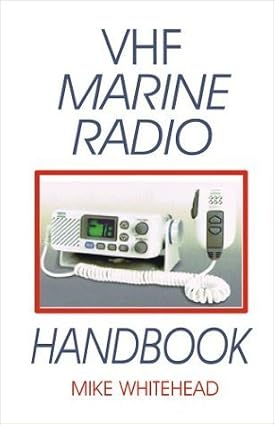
If there's one piece of equipment on your boat that matters more than people realize, it's the VHF marine radio. Not your phone. Not a flare gun. Your VHF. I've spent over three decades on the water and on the air talking about exactly this, and I wrote the book on it — literally, the VHF Marine Radio Handbook. So, let's cover what every boater actually needs to know.
Not your phone. Not a flare gun. Your VHF.
What VHF Means and Why It Matters
VHF stands for Very High Frequency, and it's the standard for marine communication because it's reliable, doesn't depend on cell towers, and other boats and the Coast Guard can hear you on it. A cell phone can fail you the moment you're out of signal range. A VHF radio, properly used, almost never will.
The Channels Every Boater Should Know
- Channel 16 — International Distress, Safety, and Calling. This is monitored by the Coast Guard and other vessels. Use it only to make contact or in an emergency, then switch to a working channel.
- Channel 9 — Commonly used as an alternate calling channel in recreational boating areas.
- Channel 13 — Bridge-to-bridge navigation, used to communicate with commercial vessels and bridge operators.
Basic VHF Radio Etiquette
1. Monitor Channel 16 whenever you're underway. 2. Keep transmissions short and clear — say what you need, then release the button. 3. Never use profanity or joke around on the radio. It's a shared safety tool, and Coast Guard and other boaters are listening. 4. If you hear a Mayday call, stay off the channel unless you can assist, and keep listening in case you're needed.
How to Make an Emergency Call (Mayday)
If you are in immediate danger to life or vessel:
1. Switch to Channel 16. 2. Say "Mayday, Mayday, Mayday." 3. State your vessel name, your location (GPS coordinates if you have them), the nature of your emergency, and the number of people aboard. 4. Repeat as needed until you get a response.
For urgent situations that are serious but not life-threatening, use "Pan-Pan" instead of "Mayday" — it signals urgency without triggering a full emergency response.
Why I Wrote the Book
I wrote Captain Mike's How to Use Your VHF Marine Radio and later the expanded VHF Marine Radio Handbook because too many boaters treat the radio as an afterthought — something that lives in the dash and gets switched on once a season. After decades answering real distress calls and watching the radio save lives (including, more than once, my own), I wanted a single, plain-language guide that any boater could pick up and use with confidence. Both books walk through every channel, every call procedure, and the etiquette that keeps the airwaves clear when it matters most.
A Captain's Final Word
A VHF radio is only as good as the person using it. Know your channels, keep your battery charged, do a radio check before you leave the dock, and treat it with the same respect you'd give any other safety equipment on board. And if you want the full reference — channels, procedures, and the real-world calls I've handled — it's all in the VHF Marine Radio Handbook.
Want more boating safety guidance? Explore more from Captain Mike →
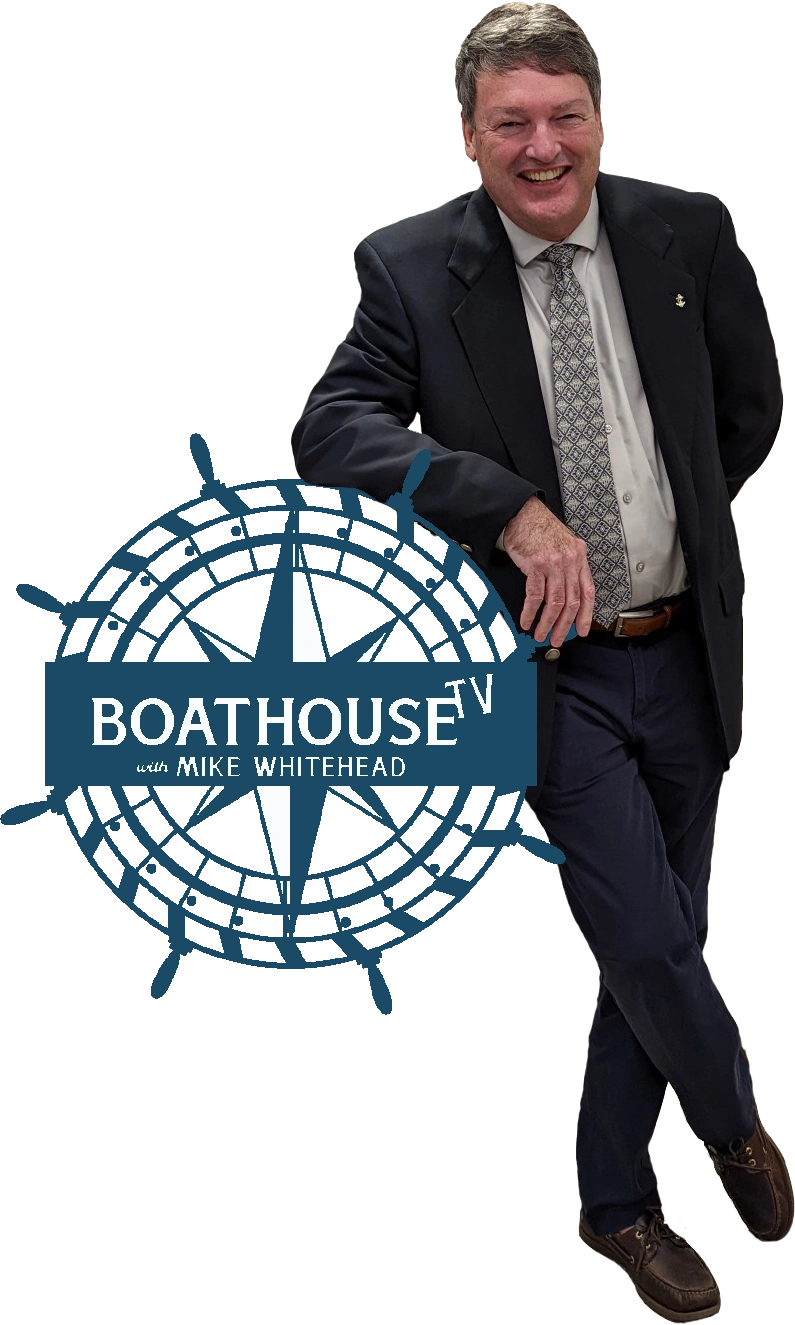
Captain Mike Whitehead
USCG licensed captain, host of Boathouse TV and the Boathouse Radio Show, newspaper columnist, author, and keynote speaker. Captain Mike has been America's premier boating voice since 1991 — sharing real stories, boating insights, and safety tips from a lifetime on the water.
Related Stories